Shipping from China: The Ultimate Logistics Guide for SMBs (2026)
Imagine this: You’ve finally found the perfect supplier. The samples are flawless. You transfer the funds. But then, silence. Three weeks later, you get a notification that your goods are stuck in US Customs because of a missing HS Code, and you owe $2,000 in unexpected demurrage fees.
For many small business owners and startups, shipping from China isn’t just about moving boxes; it’s the most stressful part of the entire supply chain.
International logistics is a minefield of acronyms, hidden costs, and compliance hurdles. But here is the secret: You don’t need to be a logistics expert. You just need the right partner. In this comprehensive guide, we will break down the complexities of international logistics management and explain why a capable sourcing agent acts as your best line of defense against shipping nightmares.
The “Final Step” is Actually the Biggest Hurdle
Why is shipping from China so difficult for SMBs?
- Complex Documentation: Commercial invoices, packing lists, Bill of Lading (B/L), and Country of Origin certificates. One typo can cause weeks of delay.
- Volatile Costs: Freight rates change weekly. Without a local partner, you are likely paying “tourist prices” for containers.
- Customs Clearance: Navigating the tariff codes (HS Codes) in North America and Europe requires specialized knowledge.
This is where the role of a China freight forwarding expert—or better yet, a full-service sourcing agent—becomes critical.
Air Freight vs. Sea Freight: Choosing the Right Mode
One of the first decisions you’ll face is choosing the transport mode. As your partner, V7proX helps you calculate the “break-even point” to save money.
1. Air Freight / Express (Courier)
Best for: Shipping from China samples, high-value electronics, or urgent fashion orders (under 150kg).
- Pros: Fast (3-7 days), door-to-door delivery.
- Cons: Expensive.
- Our Tip: For shipments between 21kg and 100kg, “Air Cargo” is often 30% cheaper than DHL/FedEx Express.
2. Sea Freight (LCL & FCL)
Best for: Bulk orders, furniture, and building materials.
- LCL (Less than Container Load): You share a container with other importers. Great for smaller orders (1-15 CBM).
- FCL (Full Container Load): You rent the whole box (20GP or 40HQ). This is the most economical method for shipping from China.
- Pros: Cost-effective.
- Cons: Slow (25-40 days).

Decoding the Alphabet Soup: Incoterms You Must Know
When negotiating with suppliers, you will hear terms like FOB, EXW, and DDP. Understanding these is crucial for your international logistics management.
- EXW (Ex Works): You pick up the goods from the factory door. Maximum risk for you.
- FOB (Free on Board): The factory pays to get goods to the Chinese port. You pay for the ocean crossing. Most common for established importers.
- DDP (Delivered Duty Paid): The “VIP” service. The seller/agent handles everything, including customs clearanceand taxes, delivering straight to your door.
- Pro Tip: For startups, we highly recommend DDP shipping from China solutions to avoid customs headaches.
The Superpower of Sourcing Agents: Consolidation
This is the biggest reason to use a sourcing agent instead of working directly with factories.
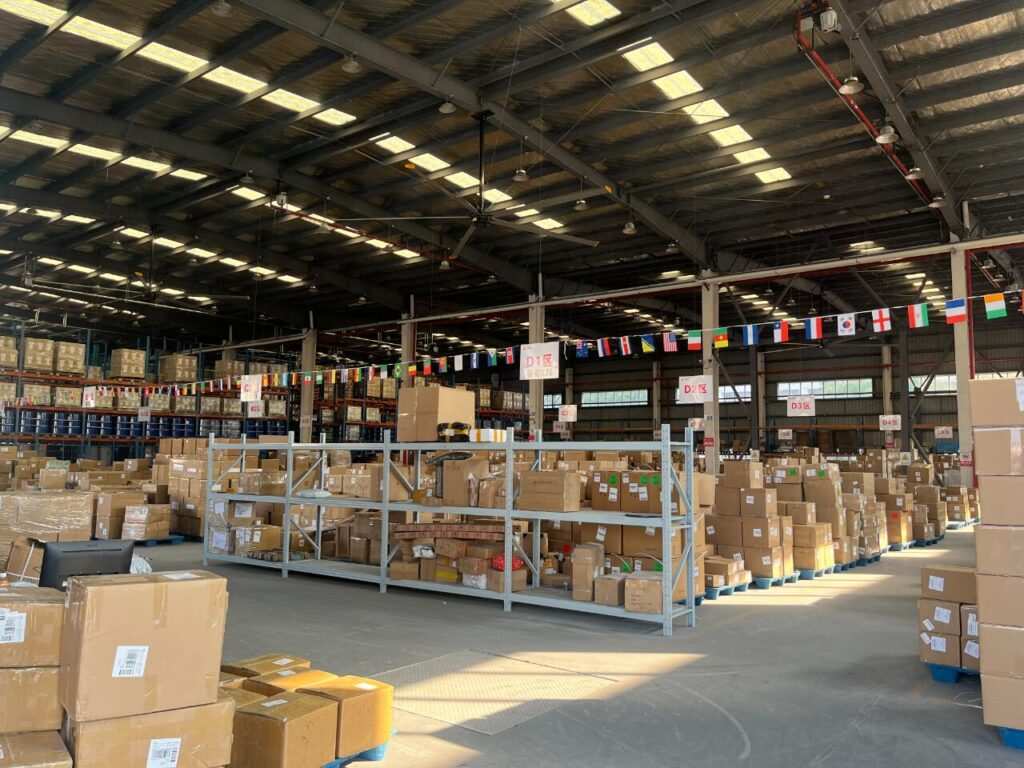
If you buy furniture from Factory A, lamps from Factory B, and rugs from Factory C, shipping them separately will cost a fortune. V7proX offers Consolidate shipping from China services. We collect goods from all your suppliers, store them in our warehouse, inspect them, and pack them into one shipment. This alone can save you 30-50% on shipping costs.
5 Standards for Choosing a Logistics & Sourcing Partner
Not all agents are created equal. When vetting a partner to handle your shipping from China, look for these five criteria:
1. Transparent Fee Structure
Hidden “kickbacks” on shipping fees are common in this industry. Your partner should provide a clear breakdown: Ocean freight cost, trucking fee, document fee, and their service fee. True transparency builds long-term trust.
2. Robust Quality Control (Before Shipping)
Logistics and Quality Control (QC) are linked. Why pay to ship defective goods? A good agent performs quality control in China before the goods are loaded into the container. (“How to choose a sourcing agent“)
3. Customs Clearance Expertise
Do they have a bond? Do they understand anti-dumping duties? A capable partner handles the entire customs clearance process, ensuring your goods clear US/EU borders smoothly.
4. Real-Time Tracking & Communication
You shouldn’t have to chase your agent for updates. You need a partner who provides proactive updates on where your vessel is and when it will arrive.
5. Problem-Solving Ability (Agility)
Typhoons happen. Port strikes happen. When things go wrong, you need a partner who can quickly reroute cargo or switch from Sea to Air. This agility is the hallmark of a professional China freight forwarding service.

How to Mitigate Risks in International Logistics
Even with the best planning, risks exist. Here is how we minimize them:
- Insurance: Always buy cargo insurance. It is cheap (usually 0.3% of cargo value) and saves you from total loss.
- Proper Packaging: We ensure factories use export-standard pallets and durable cartons to prevent damage during the long journey of shipping from China.
- Compliance Check: We verify all CE, UL, or FCC certifications before booking the vessel to prevent customs seizures.
Conclusion: Don’t Let Logistics Slow You Down
| Shipping Mode | Ideal For | Key Advantage | Key Disadvantage | Key Cost Components |
|---|---|---|---|---|
| Air Freight | • High-value, low-volume • Urgent orders • Perishables/Fashion |
Fastest Speed | Highest Cost Weight & Volume Limits |
Air Freight Charge + Fuel Surcharge + Security Surcharge + Handling Fees |
| Sea Freight | • Bulk, heavy goods • Non-urgent orders • Cost-sensitive products |
Lowest Cost High Capacity |
Slowest Speed Weather/Port Congestion |
Ocean Freight + THC + Documentation Fee + Seal Fee + Destination Charges |
| Rail Freight | • Inland routes (e.g., China-Europe) • Faster than sea, cheaper than air |
Cost-Speed Balance More stable & eco-friendly than sea |
Limited Network Less frequent than sea |
Rail Freight + Customs Clearance + Terminal Handling |
Mastering shipping from China is the final, critical step in your sourcing journey. It requires a blend of strategic planning, knowledge of Air freight vs sea freight, and rigorous execution.
You don’t have to navigate this complex web of international logistics management alone. At V7proX, we are not just your sourcing agent; we are your logistics department. From DDP shipping from China to complex container consolidation, we handle the heavy lifting so you can focus on selling.
Ready to streamline your supply chain? Stop worrying about customs and lost cargo. Contact V7proX today for a free logistics consultation and let us optimize your next shipment.