Disclaimer: This article explores strategies to optimize procurement and supply chain efficiency to counterbalance rising import costs. It does not constitute legal, financial, or tax advice regarding customs duties.
Let me be brutally honest. The global trade landscape has shifted aggressively this year. With new waves of import duties and the systematic elimination of the $800 De Minimis exemption, international buyers are facing a profitability crisis. If you are relying on the exact same importing strategy you used two years ago, your profit margins are already bleeding out.
Managing complex, multi-category supply chains on the ground here in China means seeing firsthand how smart businesses adapt to survive. You cannot change government tax policies, but you can radically optimize how your products are manufactured, negotiated, and shipped. Mastering your import cost China 2026 is no longer optional; it is mandatory.
Here is the unfiltered, actionable guide on how to offset China tariffs 2026 without sacrificing product quality.

Quick Answer: Core Strategies to Offset Tariffs
Importers reduce China tariffs impact by lowering total landed cost through factory-direct sourcing, freight consolidation, and strict quality control.
- Eliminate hidden markups: Shift away from B2B platform traders to verified factory direct sourcing.
- Optimize logistics space: Use consolidated shipping from Guangzhou to combine multiple product categories into a single FCL (Full Container Load).
- Control the defect rate: Prevent the financial disaster of returns by enforcing strict pre-shipment AQL inspections.
- Renegotiate trade terms: Switch strategically between FOB and EXW depending on current port handling fees.
How to Calculate Landed Cost in China (2026)
Most importers fail because they only look at the FOB price. To survive the current tariff climate, you must master the landed cost calculation China. This is the only formula that dictates your true profit.
Landed Cost = Product Cost + Freight + Duty + Inspection + Packaging
When you demand a transparent China sourcing cost breakdown, you can immediately identify where the margin is leaking:
- Product Cost (Factory vs. Trader): Are you paying real factory CMT (Cut, Make, Trim) pricing, or a built-in 30% trader markup?
- Freight (LCL vs. FCL): Are you paying inflated Less-than-Container Load fees, or optimizing space with consolidated full containers?
- Duty (HS Code Optimization): Are your technical specs and HS codes classified accurately to reduce import duty cost legally?
- Inspection (Hidden Defect Costs): Are you paying high tariffs on defective goods that will just be returned by your end consumer?
- Packaging (Dimensional Weight): Are bulky standard cartons artificially inflating your ocean or air freight charges?
Strategy 1: Factory Direct Sourcing to Strip the 30% Markup
The fastest way to reduce sourcing costs China is to buy cheaper at the source. Most international buyers are unknowingly purchasing from third-tier trading companies posing as factories online.
By negotiating directly with the real manufacturer—often located in specialized industrial clusters—you instantly recover the margin lost to import duties. This requires boots on the ground to verify business licenses, audit capacity, and analyze raw material costs.
Strategy 2: Consolidated Shipping Guangzhou – The Ultimate Freight Hack
Shipping multiple LCL shipments from different suppliers kills your profit through redundant warehouse fees, separate customs declarations, and higher per-CBM rates.
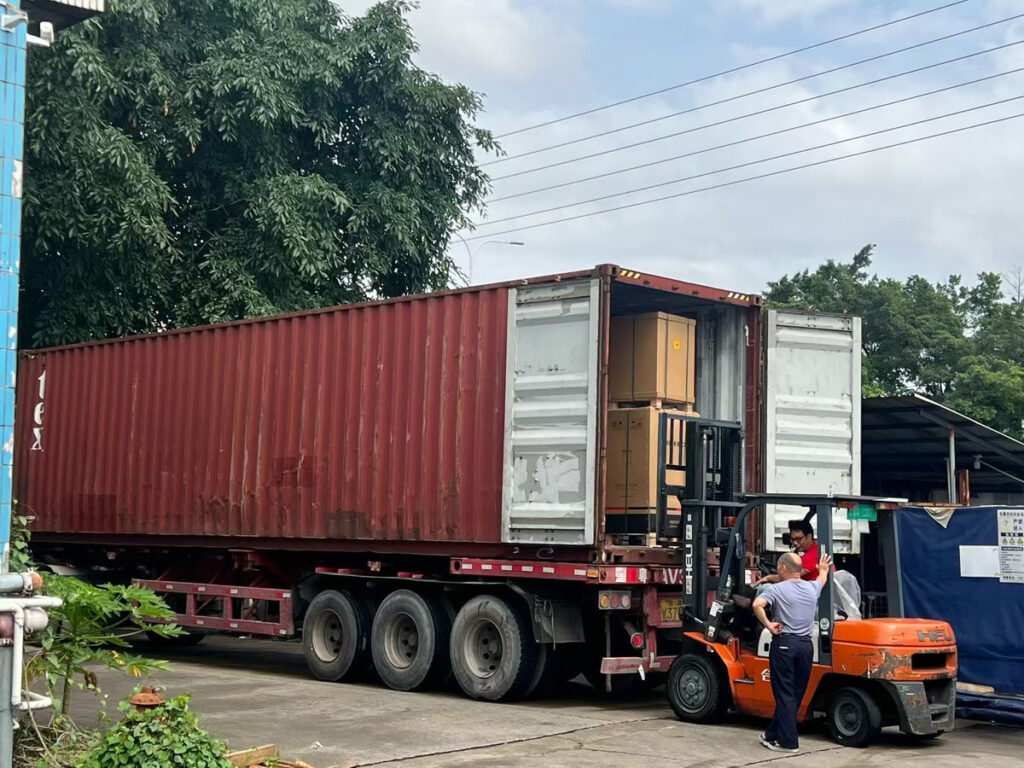
Deep supply chain integration is the antidote. Whether you are buying building materials from Foshan or activewear from Dongguan, gathering all goods into a centralized warehouse allows for intelligent consolidation. Packing efficiently into a single, dedicated container ensures one customs clearance fee and drastically lower ocean freight rates.
| Supply Chain Phase | Standard Approach (High Cost) | V7proX Optimized (2026 Strategy) |
|---|---|---|
| Supplier Selection | Buying from B2B platform traders with hidden markups. | Direct negotiations with verified, audited OEM factories. |
| Logistics & Freight | Multiple LCL shipments causing high redundant fees. | Consolidated FCL shipping with unified customs clearance. |
| Quality Control | Post-delivery inspection (Returns are financially impossible). | Pre-shipment destructive testing on the factory floor. |
| Packaging | Standard bulky boxes increasing dimensional weight. | Vacuum sealing and optimized carton dimensions. |
Strategy 3: Strict QC is Your Profit Hedge
When you are paying premium taxes to import goods, paying duties on defective items is catastrophic. International reverse logistics are too expensive.
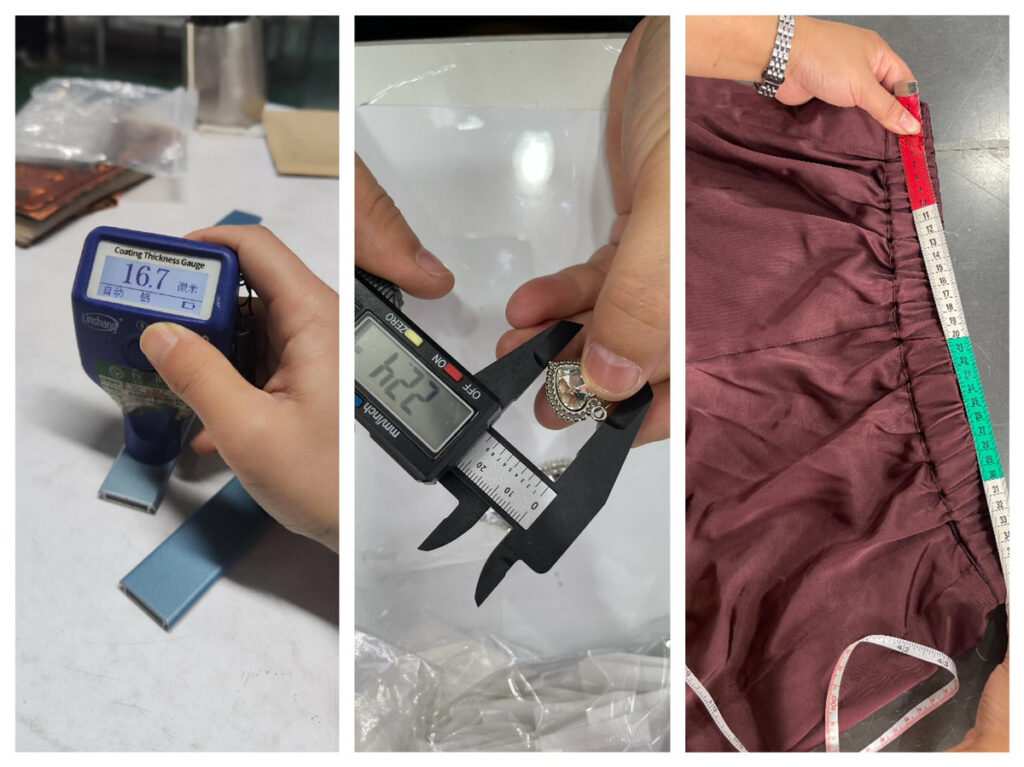
Before the final 70% balance is paid to the factory, independent inspectors must be on the ground conducting rigorous AQL standards testing. Checking dimensional accuracy and performing stress tests ensures that if a batch fails, the factory remakes it on their dime, before it ever reaches the shipping port.
Case Study: Recovering 22% Margin for a North American Client
A client recently faced a profitability crisis after their landed costs spiked by 25% due to new duties. They were buying from three different suppliers online and utilizing express air freight. A structural overhaul of their operations yielded these quantifiable results:
- Supplier Audit: Two “manufacturers” were identified as the same trading company. Sourcing directly dropped the unit cost by 14%.
- Packaging Optimization: Replacing oversized boxes with vacuum-sealed polybags reduced dimensional weight by 18%.
- Freight Consolidation: Transitioning to a consolidated LCL sea freight model allowed for predictable baseline costs.
Before: Landed cost: $10.20 / unit After: Landed cost: $7.90 / unit Result: A 22% recovery in net margin, effectively neutralizing the impact of the 2026 tariff hikes.
Stop Overpaying. Start Auditing.
Most importers don’t realize they are overpaying 15–30% until it’s too late.
You cannot fight high tariffs by sending angry emails to an existing supplier. A structural, boots-on-the-ground overhaul is necessary. Securing the lowest possible factory gate price, ensuring zero defects, and intelligently consolidating shipments requires professional execution.
Before wiring your next deposit, verify your real landed cost structure. If your supplier cannot break down your cost, you are already losing margin.
Request Your 2026 Supply Chain Audit
Frequently Asked Questions
Question 1: How can I strategically offset China tariffs in 2026?
Answer: The most effective strategy to offset tariffs is reducing your initial purchasing cost through factory direct sourcing. By eliminating trading company markups and lowering your per-unit freight cost via consolidated shipping, you drastically reduce your total landed cost.
Answer: Absolutely. By gathering products from multiple factories into one centralized warehouse and shipping them as a single FCL (Full Container Load), you avoid paying multiple redundant destination port charges, separate customs broker fees, and inflated LCL rates.
Answer: When paying high import taxes on a container of goods, paying duties on defective items destroys your profit margin. Because international return shipping is economically unviable, implementing uncompromising pre-shipment quality control in China is the only way to prevent severe financial loss.