Based on over 80+ factory audits conducted in Guangdong this year, we found a disturbing metric: nearly 40% of suppliers failed our initial production inspection. Finding a reliable activewear manufacturer China is rarely as simple as sending a message on B2B platforms. Buyers often negotiate a low price, pay their deposit, and wait. Six months later, they receive unsellable garments.
If you want to build a profitable fitness brand, you must understand the real manufacturing rules regarding OEM production, tech packs, hidden sampling fees, and minimum orders.
1:Quick Answer: How to Avoid Bad Activewear Manufacturers in China
Before you dive into the details, here is the immediate checklist to protect your capital:
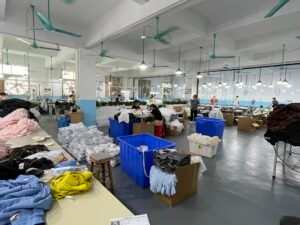
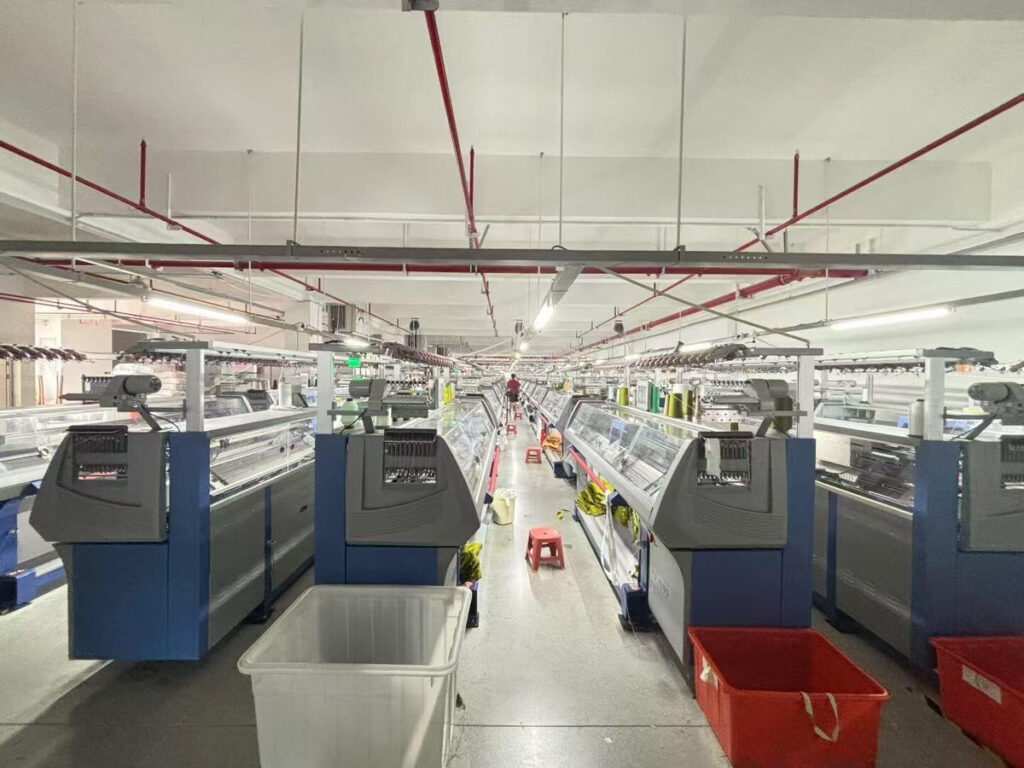
- Verify Equipment Live: Demand a live video showing their circular knitting machines. Do not trust showroom photos.
- Reject Unrealistic Low Minimums: Avoid any seamless activewear supplier offering a clothing factory MOQbelow 100 pieces for custom wear.
- Test Real Shrinkage: Never approve an activewear tech pack without a physical fabric wash test.
- Lock the 60% Deposit: Never release funds without a signed Manufacturing Agreement outlining defect penalties.
- Audit Before Shipping: Use a local sourcing agent Guangzhou to execute apparel quality control on the factory floor.
2:The Reality: Private Label vs. OEM Activewear Manufacturer China
When working with an activewear manufacturer China, most B2B profiles are misleading. You might think you are speaking directly to a custom sportswear factory, but usually, you are dealing with a trading company. Understanding the difference between Private Label, OEM, and Trading Companies is your first line of defense.
| Supplier Type | Business Model | Pros & Cons |
|---|---|---|
| Real OEM Factory | Builds garments from scratch based on your custom tech pack. Owns machines. | High quality control, exact customization. Cons: High MOQ (usually 500+). |
| Private Label Provider | Sells pre-made blank activewear and just adds your logo. | Fast shipping, low MOQ. Cons: Zero unique design, high market competition. |
| Trading Company | Acts as a middleman. Outsources your order to the cheapest workshop. | Easy communication. Cons: Hidden markups, unpredictable quality control. |
A real seamless activewear supplier operates with strict machine schedules. They focus on bulk raw material procurement. Substandard factories often swap premium spandex for cheaper polyester to increase margins. Furthermore, OEM production takes time. If a supplier promises a 15-day turnaround for a fully custom design, they are likely lying or cutting corners on the dyeing process.
3:Why Your Activewear Tech Pack Fails on the Production Floor
A detailed specification file is your primary defense. However, even a perfect technical drawing fails if the factory misinterprets your instructions.
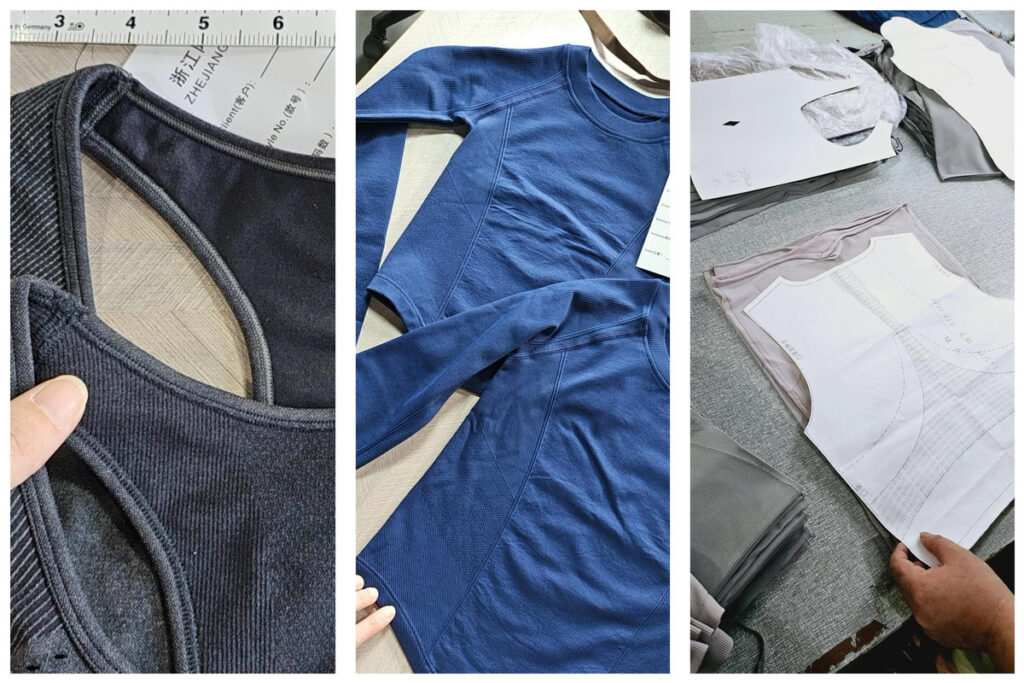
Many buyers send a basic PDF and expect perfection. In reality, sportswear requires complex engineering. If your activewear tech pack lacks specific details about flatlock stitching (to prevent skin chafing) or GSM (Grams per Square Meter) requirements, the factory will default to the cheapest method available.
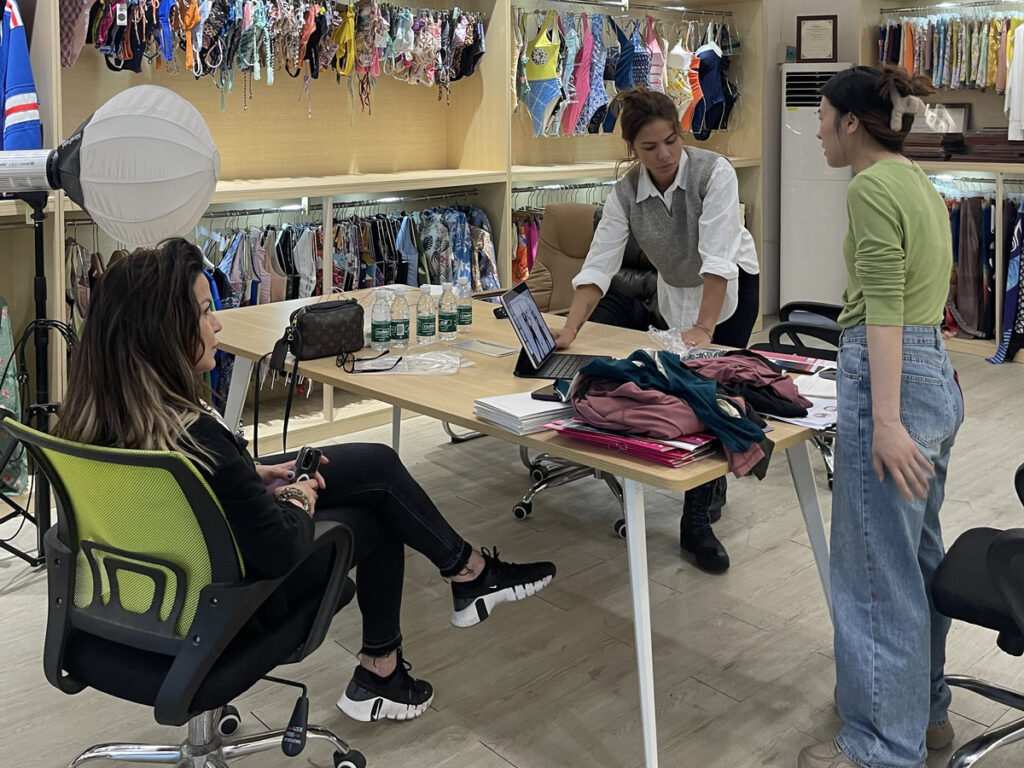
Recently, our lead designer and I were finalizing the fabric shrinkage rates for two new premium OEM collections, the “Sage” and “Eden” lines. The factory initially claimed a 3% tolerance. Our real-world wash testing proved it was actually closer to 8%.
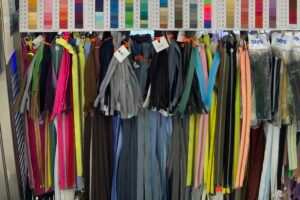
If we had simply emailed our specifications to the factory without verifying the 4-way stretch recovery and fabric tension on-site, the garments would have shrunk two full sizes after the first wash. You must physically verify every zipper, seam allowance, and fabric weight before approving the bulk run.
4:Hidden Costs: Lab Dips, Strike-offs, and Sampling Fees
Beyond the unit price, inexperienced buyers often bleed capital during the sampling phase. A professional activewear manufacturer China will not dye custom fabrics for free.
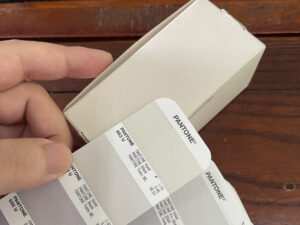
When you request a specific Pantone color for your yoga leggings, the factory must create “lab dips” (small fabric swatches dyed to match your color). This process costs money and takes weeks. If you do not have a local expert managing this, factories will often send you a generic stock color that looks “close enough.”
Additionally, seamless technology requires specific machine programming for different sizes. Creating a new mold or program for a size XL requires distinct setup fees. Always clarify these hidden costs in your initial negotiation to avoid surprise invoices later.
5:Real Case Study: The Failed 300-Piece Activewear Order
To understand the severe risks of ignoring these steps, look at a recent client who contacted us too late. They found a supplier online, ordered 300 pieces of yoga leggings, and paid a 50% deposit ($3,500).
- The Mistake: They did not request an independent factory audit. They trusted the supplier’s “Gold Badge” and accepted a private label product disguised as custom OEM.
- The Result: The supplier outsourced the order to a back-alley workshop. The stitching unraveled upon stretching because the workshop used standard thread instead of high-elasticity nylon thread. Furthermore, the sizing was wildly inconsistent across the batch.
- The Loss: The supplier refused a refund, claiming the client approved the initial digital mockup.
We stepped in to salvage the relationship, but the capital was already trapped. This is why professional apparel quality control is completely non-negotiable.
6:What is the Real Clothing Factory MOQ for Premium Activewear?
Trading companies claim they accept small orders to hook beginners. This is a financial trap. Legitimate factories in Dongguan cannot turn on their massive Santoni circular knitting machines for 50 pairs of seamless leggings. The machine calibration alone takes hours. Understanding the real clothing factory MOQ is critical to avoid production risks.
| Factory Tier (Guangdong) | Real MOQ (Pieces/Color) | Quality Risk Level |
|---|---|---|
| Tier 1 (Export Certified OEM) | 800 – 1,000+ | Low (High reliability, precise scaling) |
| Tier 2 (Mid-size Sportswear) | 300 – 500 | Medium (Needs strict QA and tech pack review) |
| Middlemen / Trading Co. | 50 – 100 | High Risk (High defect rates, bait-and-switch) |
(👉 Read Next: [How to Spot Fake Factories on B2B Platforms])
7:Secure Your Activewear Supply Chain in China
If you are planning to work with an activewear manufacturer China, do not rely on online profiles or showroom samples alone. Before paying any deposit, you need verified data:
- Real factory production capacity (OEM vs. Trading Company)
- Actual MOQ limits without hidden markups
- Physical fabric testing results (Shrinkage and 4-way stretch)
- On-site quality control reports
At V7proX, we act as your dedicated sourcing agent Guangzhou. We verify every step, from correcting your tech pack to executing final inspections on the factory floor before bulk shipping.
👉 Don’t risk your capital. [Request a Factory Audit Report] before you pay your deposit.
8:FAQ: What Buyers Also Search Before Choosing a Manufacturer
Demand a live video call from their production floor. Ask to see their current fabric storage and circular knitting machines. A real factory will gladly show you their setup, while a trading company will avoid the camera.
Yes, but it is highly risky. Factories operate efficiently at high volumes. Forcing a small run often means your project is assigned to inexperienced junior workers, resulting in failed stitching and sizing errors.
We execute physical apparel quality control mid-production. We verify the garments against your approved tech pack before you authorize the final 40% balance payment.
For true OEM production involving custom fabric dyeing and sizing molds, expect a lead time of 45 to 60 days. Anything promised under 20 days is usually a private label stock item.