Earlier this year, a commercial furniture buyer from Canada transferred a 30% deposit on a Friday afternoon. Three weeks later, he emailed us asking a simple question:
“We paid the deposit three weeks ago. Production should be underway. Why has the supplier suddenly gone quiet?”
In many cases, supplier silence is interpreted as a major warning sign. Buyers imagine the worst-case scenarios: the factory ran away with the money, the company is bankrupt, or the order is entirely fake.
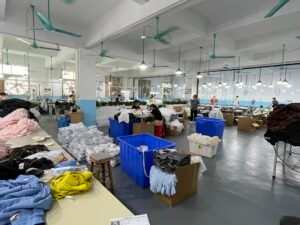
However, after reviewing hundreds of production schedules across manufacturing hubs like Guangdong, Zhejiang, and Jiangsu, we have found that silence during production is rarely linked to outright fraud. More often, it reflects the hidden, chaotic realities of what is actually happening inside the factory walls.
Understanding these internal dynamics is the first step to regaining control of your supply chain. Here are the five real reasons your supplier has stopped replying.
Reason #1: Nothing Has Actually Started Yet
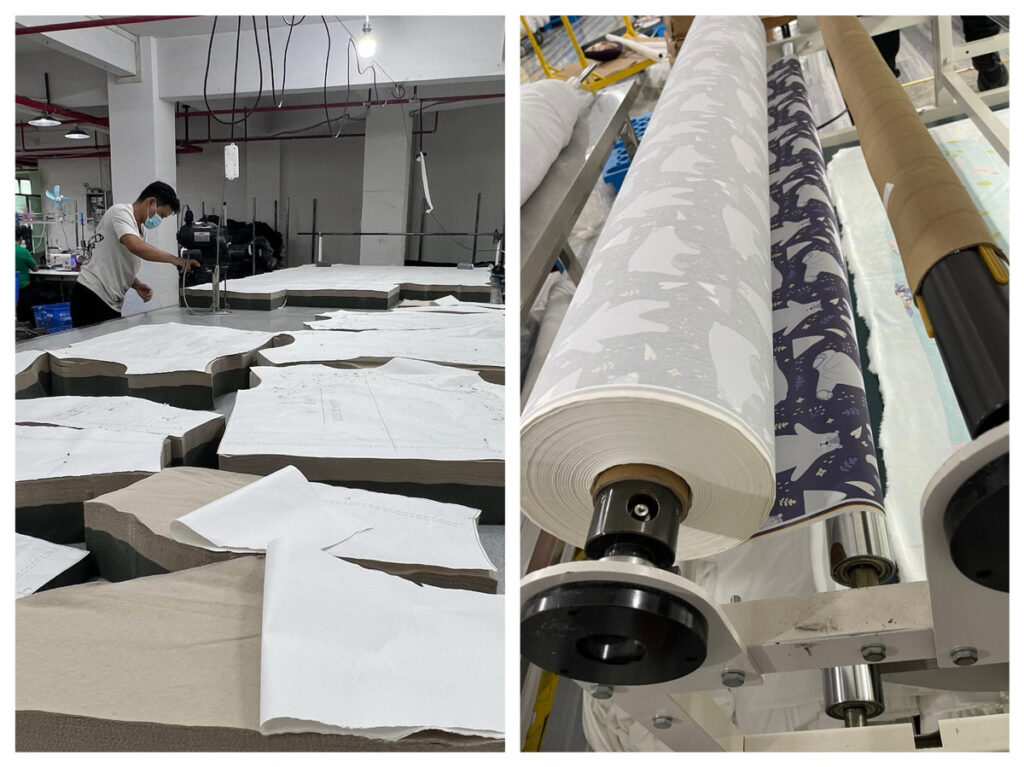
Many overseas buyers incorrectly assume that transferring a deposit means machines start running the very next day. In reality, the first 1 to 3 weeks of any production cycle are purely spent on raw material procurement.
Factories are often assemblers. Before they can cut, weld, or sew, they must wait for sub-tier suppliers to deliver fabric, zippers, hardware, electronic chips, or custom packaging. Supply chains are deeply interconnected, and sub-suppliers often experience their own delays.
During this procurement phase, there is simply nothing visual to show you on the assembly line. When a salesperson emails you saying “production is in progress,” they often actually mean “we are still waiting for the raw materials to arrive at our warehouse.”
| Buyer Assumption | Factory Reality |
|---|---|
| Production started immediately. | Materials are still being sourced. |
| No updates means no activity. | Procurement and scheduling may still be ongoing. |
| Silence means my order is in trouble. | Internal errors are quietly being resolved. |
| The factory is intentionally ignoring me. | The salesperson is waiting for factory floor updates. |
| Production Stage | Typical Reply Frequency |
|---|---|
| Material Procurement | Every 3–5 Days |
| Sampling Stage | Every 1–3 Days |
| Mass Production | Every 5–10 Days |
| Packaging Stage | Every 2–3 Days |
(As you can see, the longest periods of silence usually happen during the mass production phase when the machines are simply running without any new milestones to report.)
Reason #2: The Salesperson Is Not Inside The Factory
Most foreign buyers communicate daily with English-speaking sales representatives, not the actual factory floor managers. It is crucial to understand the layout of Chinese manufacturing businesses.
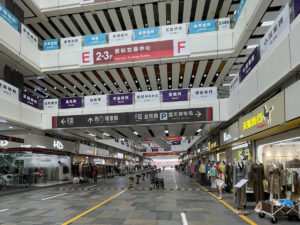
Often, the sales office is located in a modern downtown building in Shenzhen or Guangzhou, while the actual manufacturing lines are hours away in industrial zones like Dongguan, Huizhou, or inland provinces.
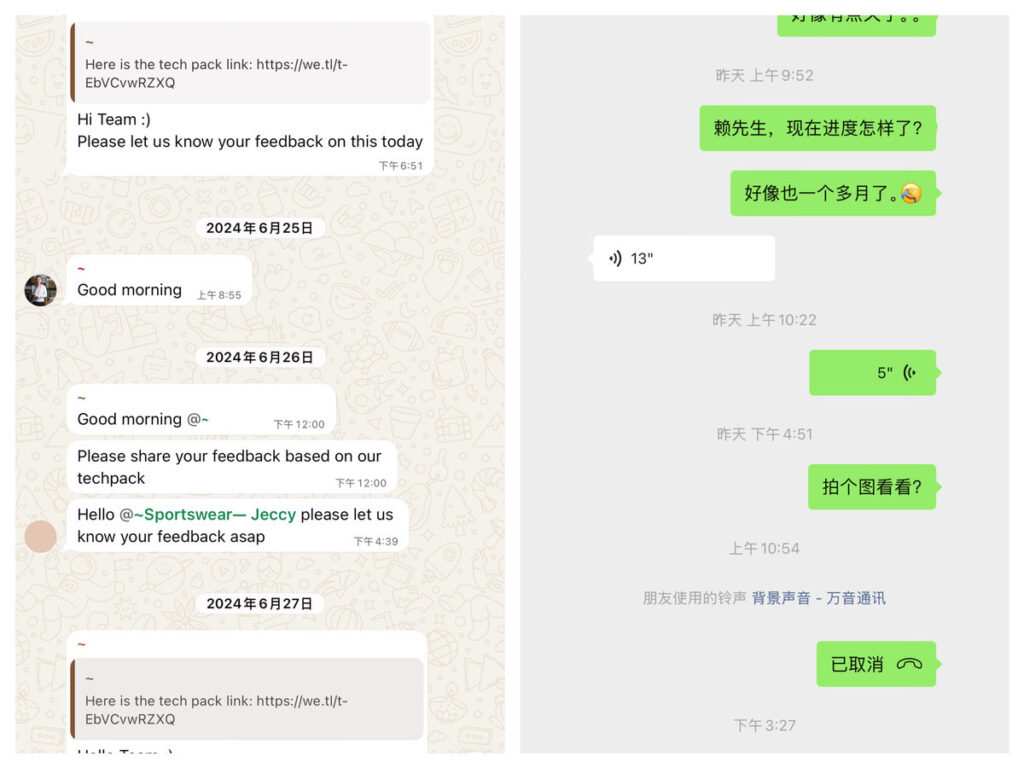
These salespeople rely entirely on the factory manager for updates. If the workshop manager is too busy dealing with machine breakdowns or managing hundreds of workers, they will ignore the salesperson’s WeChat messages. If the factory manager does not reply to the salesperson, the salesperson has no new information to translate and send to you. You think the factory is maliciously ignoring you, but in reality, your sales rep is also being left in the dark.
Reason #3: Peak Season Capacity Problems
Before major Western holidays or peak retail seasons—such as the Back-to-School rush, Amazon Prime Day, or Black Friday—Chinese factories run at 110% capacity. During these high-stress periods, factory management is forced to heavily prioritize their resources.
The harsh reality of manufacturing is that the largest volume orders, VIP clients, and urgent container shipments get the fastest replies. If you placed a 500-piece order while the factory is simultaneously producing a 50,000-piece order for a major global brand, your standard order might be pushed slightly down the communication priority list.
It is not a malicious act; it is simply how factory managers allocate their limited bandwidth.
Professional buyers usually confirm production slots before placing deposits, especially before peak seasons. Having a transparent discussion about factory capacity before payment can prevent unrealistic delivery expectations and avoid the “silent treatment” later.
Reason #4: They Are Solving A Problem Before Reporting It
This is a classic manufacturing logic deeply tied to business culture. If a factory discovers that a fabric dye color is slightly off, a dimension is incorrect, or a machine broke down, their first instinct is not to immediately report it to the overseas buyer.
Instead, they try to fix the problem internally first. They stay silent for a week because they hope to eventually email you saying, “We encountered a small problem, but don’t worry, we already solved it and production is back on track.”
They believe this shows competence and saves “face.” Unfortunately, from the buyer’s perspective, this leaves you waiting in the dark for days, assuming your goods are ruined.
A Real Example From A Foshan Furniture Project:
During a recent commercial furniture sourcing project in Foshan, a supplier stopped responding for nearly eight days. The buyer panicked, assuming the order was canceled. After our team conducted an on-site visit, we discovered that the supplier had rejected an entire batch of veneer panels from a sub-supplier due to color inconsistency. The factory was silently waiting for replacements to arrive. Production resumed immediately once the correct materials were secured, but the communication gap severely damaged the buyer’s trust.

Reason #5: Unauthorized Subcontracting
Sometimes, if a factory accepts more orders than their machines can handle, they will discreetly transfer your order to a secondary, often cheaper, workshop.
This unauthorized subcontracting adds a complex layer to the communication chain: The subcontractor (Factory B) tells the main supplier (Factory A), Factory A tells the salesperson, and finally, the salesperson translates it for you. Naturally, the reply speed drops significantly, and the details become vague because your main contact is no longer directly overseeing the production.
Read more about how to audit facilities and avoid hidden middlemen in our comprehensive guide: How to Verify a China Supplier in 2026.
How Professional Buyers Prevent Supplier Silence Before Production
Experienced importers do not wait until the factory stops replying to take action. They build communication frameworks into their purchase agreements before transferring the initial deposit.
Here is how you can proactively manage production visibility:
- Confirm a Detailed Timeline: Do not accept a vague “30 days lead time.” Ask for a breakdown: When will materials arrive? When will cutting begin? When is the packaging date?
- Agree on Update Frequency: State clearly in your PO (Purchase Order) that you expect a brief status update (even if it’s just a one-line email) every Tuesday and Friday.
- Request Production Milestones: Tie your communication to physical evidence. Ask the supplier to send a quick video when the raw materials arrive, and another when the first finished product comes off the line.
- Arrange Third-Party Inspections: Let the supplier know on Day 1 that an independent quality control team will visit the factory during mid-production. Factories are far less likely to go silent when they know an auditor is scheduled to arrive.
| Checkpoint Stage | What Buyers Should Verify |
|---|---|
| Before Production | BOM finalized, materials confirmed, Golden Sample signed. |
| During Production | Request mid-production inspection and unedited floor video. |
| Before Shipment | Conduct AQL pre-shipment inspection and confirm container loading. |
When Should You Actually Start Worrying?
Not all silence is dangerous. A few days without an email is normal during manufacturing. Here is exactly when you should escalate the situation based on the duration of the communication gap:
| Silence Duration | Risk Level | Recommended Action |
|---|---|---|
| 1–5 Days | Low | Normal procurement or routine production activity. No action needed. |
| 5–10 Days | Moderate | Request updated schedules and raw material delivery records. |
| 10–15 Days | High | Demand dated production photos and live video evidence immediately. |
| 15+ Days | Critical | Escalate to a third-party factory verification or site visit. |
Frequently Asked Questions (FAQ)
Yes, it is common. During the raw material procurement phase, there is often little visible production activity to report, which naturally leads to temporary communication gaps of a few days.
You can ask, but it is highly impractical. Most factories will ignore daily requests because it disrupts their workflow. Instead of asking for daily text messages, ask for milestone-based updates (e.g., “send me a photo when the fabric is cut”).
Before mass production begins, your supplier should provide a finalized BOM (Bill of Materials), a confirmed production schedule with key dates, and an approved “Golden Sample” or pre-production sample (PPS) that represents the exact standard for the bulk order.
Yes, requesting weekly photos is a reasonable standard. However, excessive update requests can overwhelm sales teams. Establish predefined reporting milestones, such as material arrival, Golden Sample approval, and mid-production status.
Request dated production photos (e.g., products placed next to today’s newspaper, a smartphone showing the date, or a time-stamp app), material arrival records, updated Excel schedules, or a quick 2-minute live video call from the production floor.
Not necessarily. While it can be a red flag for scams, 90% of the time, silence is linked to operational delays, internal communication gaps between the sales office and the workshop, or problem-solving activities that the factory is trying to hide until resolved.
The Bottom Line: Visibility Over Constant Communication
The question is not whether a factory will occasionally go silent. The real question is whether you still have objective visibility into the supply chain while they are silent.
Experienced buyers rarely rely on daily WhatsApp messages to gauge production health. Instead, they rely on strict verification checkpoints: BOM confirmation, pre-production sample approval, and professional on-site quality control checks.
Visibility is infinitely more valuable than constant, empty communication. A properly executed mid-production inspection provides undeniable, objective evidence of your order’s status, regardless of how often your supplier replies to your emails.
Take control of your supply chain today. Learn how a professional Mid-Production Inspection eliminates blind spots, verifies raw materials, and keeps your orders strictly on schedule.