Author’s Note: This guide is based on real supply chain data and operational experience from the factory floors of Guangdong, China. Our goal is to provide international buyers with complete China supply chain visibility.
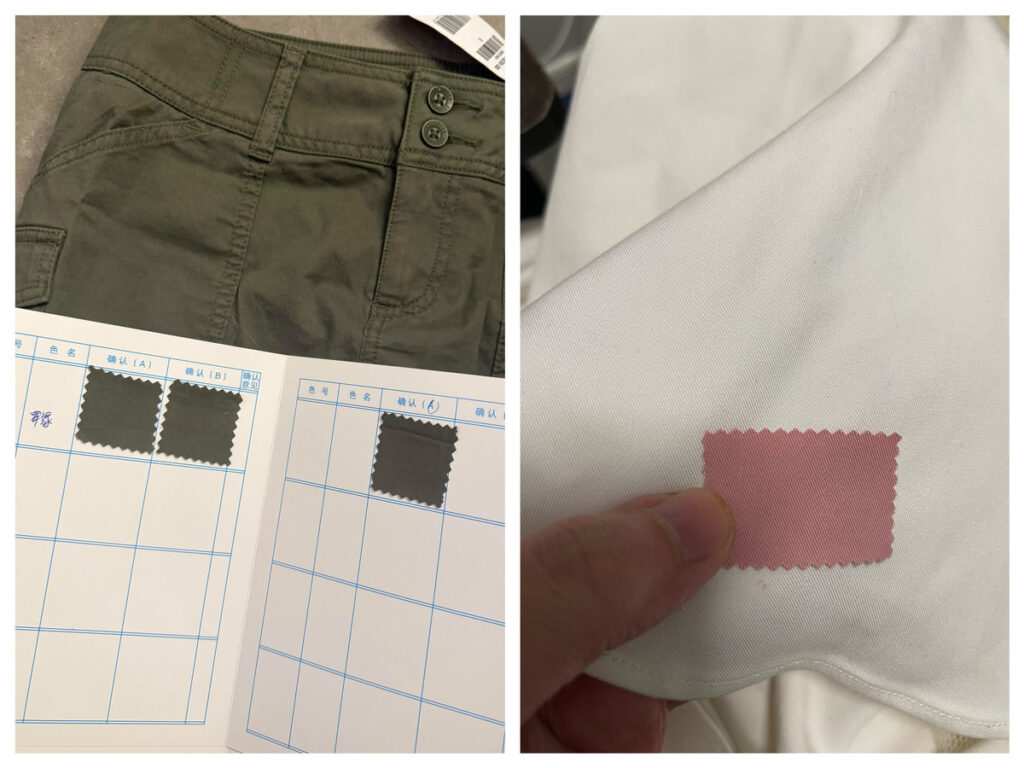
Earlier this year, a commercial furniture buyer from Canada transferred a 30% deposit on a Friday afternoon. Three weeks later, he emailed our team asking a panicked question: “I paid them 21 days ago. Why hasn’t actual production started yet?”
We looked into the factory’s schedule. The supplier had initially quoted a 35-day lead time. However, a five-day MDF board procurement delay from their sub-supplier, followed by a three-day revision to the Golden Sample, meant the actual assembly line didn’t start until Day 24. The final production took 43 days before loading.
For many North American and European buyers, wiring capital overseas feels like dropping money into a black box. You receive a Proforma Invoice (PI) stating a “30 to 40-day lead time,” but communication often goes dark. You are left wondering: How long does production take in China, really?
The most expensive assumption an importer can make is that assembly lines start running the moment a SWIFT receipt is sent. A realistic China manufacturing timeline is rarely a straight line. Here is the exact step-by-step breakdown of what happens on the factory floor after your funds clear.
The Visual Timeline: From Deposit to Shipment
Before diving into the daily details, here is how a standard 45-day manufacturing lead time China actually flows. Notice how late actual “mass production” begins.
The Disconnect: Buyer Expectation vs. Factory Reality
To understand why delays happen, you must look at the operational friction between what buyers expect and what factories actually do.
| Production Stage | Buyer Expectation | Factory Reality |
|---|---|---|
| Deposit Clears (Day 1) | Mass production starts immediately. | Deposit is used to order raw materials from sub-suppliers. |
| Week 2 (Day 14) | Goods are half-finished. | Materials just arrived; cutting and Golden Sample tooling begin. |
| Week 4 (Day 25) | Waiting for final shipping photos. | Core assembly lines are running; first real window for QC. |
| Week 6 (Day 40) | Container is already at the port. | Packaging, final AQL inspection, and reworking defective units. |
Read more about how to audit facilities and avoid hidden middlemen in our guide: How to Verify a China Supplier in 2026.
The Disconnect: Buyer Expectation vs. Factory Reality
To understand why delays happen, you must look at the operational friction between what buyers expect and what factories actually do.
Phase 1: Day 1-7 – Deposit Clearing & Raw Material Procurement
Almost all contract manufacturers operate on a Just-In-Time (JIT) inventory model to minimize capital exposure. They do not hold warehouses full of your specific fabric or wood.
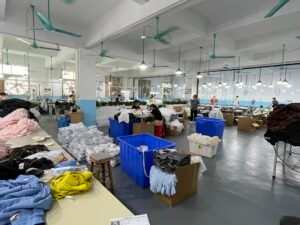
During the first week, your deposit funds the raw material procurement. If you are sourcing 220 GSM nylon-blend activewear, the garment factory is ordering fabric from a textile mill. This phase is where the Chinese factory lead timefirst gets delayed. Your primary supplier is at the mercy of their sub-tier suppliers. A three-day delay at the fabric mill automatically pushes your entire schedule back.
Phase 2: Day 8-15 – Tooling, Cutting, and the Golden Sample
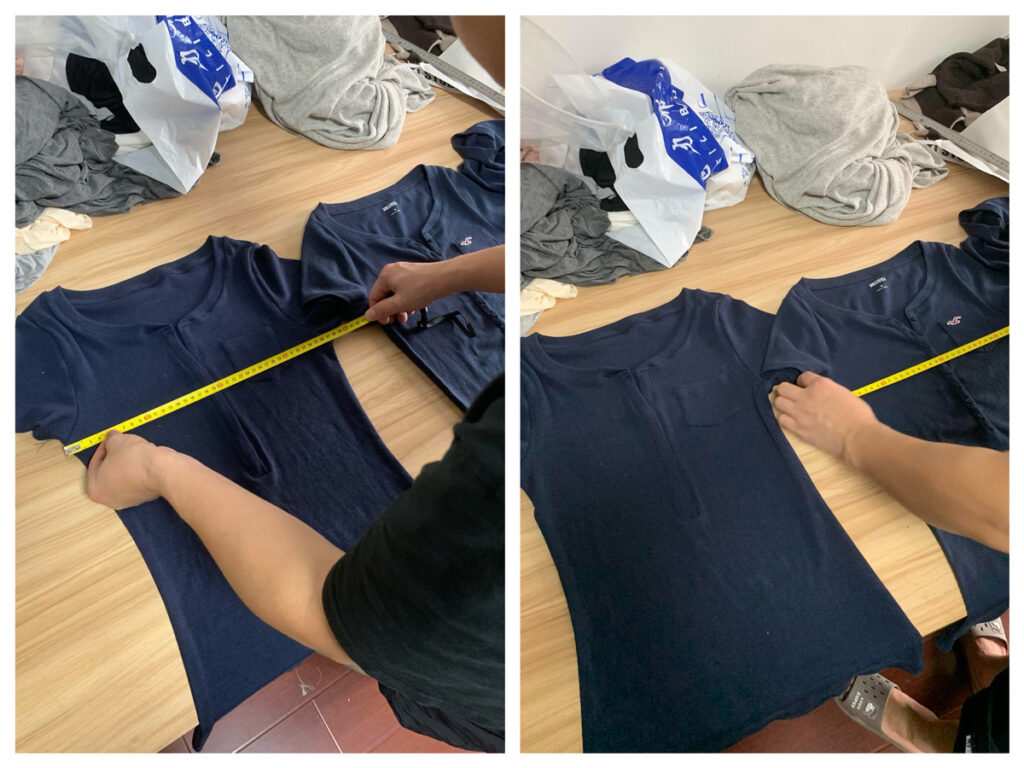
Once the raw materials arrive, full-scale assembly still does not commence. The factory must transition into calibration. Depending on your product, this involves setting up CNC machines, dying fabrics, or laser-cutting patterns.
Before activating the main assembly lines, a Pre-Production Sample (PPS)—known in the industry as the “Golden Sample”—must be finalized. This physical unit serves as the absolute standard for the entire production schedule China supplier.
Slight variations in material batches during this phase often lead to Quality Fade in China Manufacturing, which is why approving the Golden Sample physically or via high-definition video is non-negotiable, even on repeat orders.
Phase 3: Day 16-30 – Mass Production & The Mid-Production Vulnerability
Days 16 through 30 represent the core manufacturing phase. Components are stitched, glued, or welded, and the volume of semi-finished goods scales up rapidly.
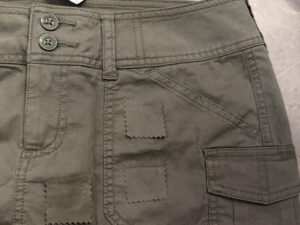
Ironically, this is often the quietest period of communication from the supplier, yet it is the window of highest operational risk. Issues such as seam puckering, incorrect foam density, or inadequate adhesive curing times manifest right here.
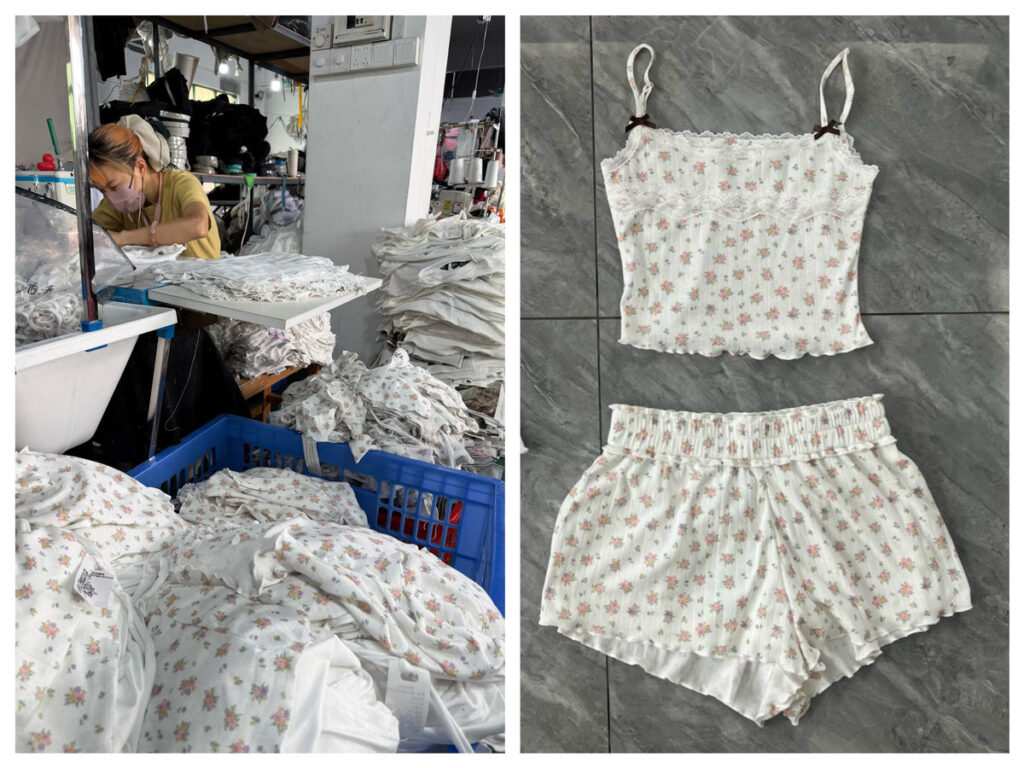
If a buyer waits until Day 40 for a final inspection, correcting a structural defect is a logistical nightmare. The goods are already finished and boxed. This is why executing a mid-production inspection around Day 25 is standard practice for seasoned professionals. It allows you to catch deviations while the products are still on the line.
Phase 4: Day 31-40 – Final Assembly, Packaging, and Quality Control
As the batch nears completion, the focus shifts to final assembly and packaging. Using standard 3-ply cartons instead of export-grade 5-ply corrugated boxes can lead to catastrophic moisture absorption during ocean transit.
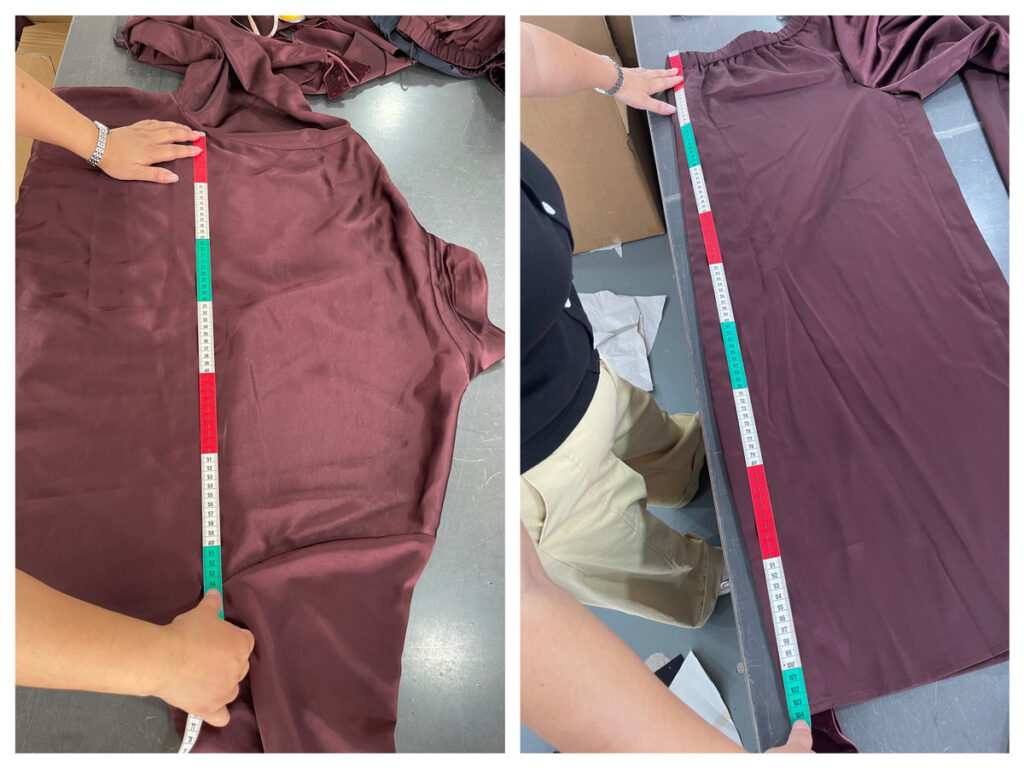
During this window, a formal pre-shipment inspection based on AQL (Acceptable Quality Limit) standards must be conducted.
Phase 5: Day 41-45 – Balance Payment & Container Loading
Upon a successful AQL inspection, the buyer wires the remaining 70% balance. Concurrently, the logistics framework is activated. If purchasing from a single factory, a Full Container Load (FCL) will be dispatched directly to their loading dock. If you are sourcing from multiple suppliers across Guangdong, domestic trucking routes the fragmented orders to a centralized warehouse for professional consolidation.(Consolidated Shipping & Sourcing Guide)
The Bottom Line: Supply Chain Visibility Over Blind Trust
The most expensive mistake international buyers make is assuming that production is progressing simply because a supplier says “everything is on schedule.” As outlined in the timeline above, the critical checkpoints that determine the success or failure of your order occur long before the final inspection. The gap between an expected PI timeline and operational reality is not always a sign of a bad supplier; it is simply the nature of global manufacturing.
At V7proX, we believe in China Supply Chain Visibility. The key to successful procurement is shifting from passive waiting to active oversight. By inserting strategic verification checkpoints—such as BOM audits, Golden Sample validation, and mid-production inspections—you transition from merely placing an order to actively managing your manufacturing risk.
Frequently Asked Questions (FAQ)
Almost all contract manufacturers operate on tight margins and use a Just-In-Time (JIT) system. They do not hold large stocks of raw materials due to the risk of cash flow lock-up. Your deposit is literally used to pay the upstream suppliers to initiate the raw material phase.
A mid-production inspection (conducted when 20% to 30% of goods are assembled) allows buyers to verify that the factory is adhering to the correct BOM. Finding a critical error like incorrect foam density at this stage allows for cost-effective corrections, whereas finding it during final packaging is often too late.
Delays usually stem from three common bottlenecks: upstream material delivery delays, re-making the pre-production sample because it failed initial specifications, or the factory silently shifting your order to a sub-tier facility due to peak season capacity constraints.