Disclaimer: This guide is based on real freight data and consolidation strategies managed by V7proX. It is designed to help global importers optimize logistics, avoid fragmented LCL shipments, and eliminate redundant destination port fees.
Let’s be brutally honest: finding a great factory online in 2026? Easy. Paying for the goods? Still manageable. Shipping them efficiently? That’s the real nightmare.
Ocean freight volatility and absurd hidden destination port charges are eating away at profits for international buyers. Many importers buy products from three or four factories and ship them separately—essentially tossing their hard-earned money directly into the ocean.
At V7proX, we see smart buyers make this logistical mistake daily. They negotiate hard to save 5% on the unit price, but completely ignore the catastrophic costs of fragmented shipping.
Here is our boots-on-the-ground guide to consolidate shipping China, protect your margins, and avoid hidden logistics fees in 2026.
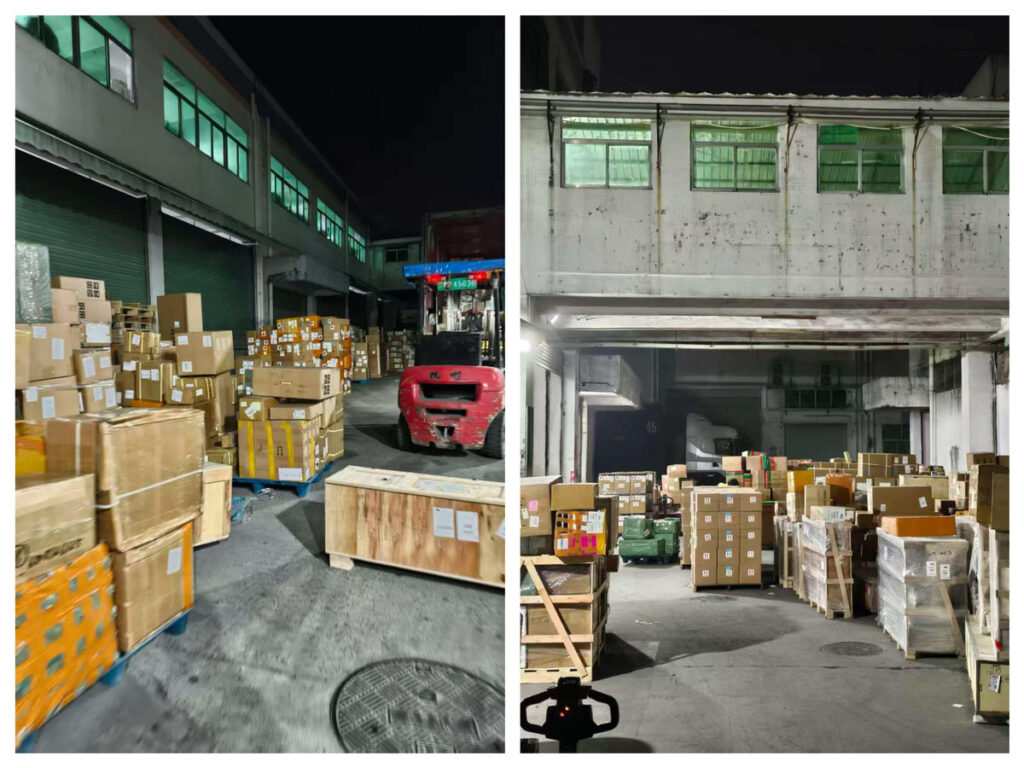
Quick Answer: Why Smart Buyers Consolidate Shipments
To dramatically reduce hidden landed costs, you must stop shipping multiple LCL (Less than Container Load) orders. Here is why you should consolidate everything into one FCL (Full Container Load):
- Single Customs Clearance: Pay your customs broker once, not five separate times.
- Zero CFS Fees: Completely avoid costly Container Freight Station unpacking fees at your destination port.
- Unified Quality Control: Inspect everything in one central warehouse before departure.
- Lower Per-CBM Rates: FCL is mathematically far cheaper per cubic meter than multiple LCL shipments.
1. The Fragmentation Trap in Cross-Category Sourcing
Let’s say you are sourcing for a commercial hotel project. Your purchasing list is spread out everywhere:
- 50 custom sofas from the Foshan furniture market wholesale district.
- Heavy 18mm melamine board for custom cabinetry from Dongguan.
- Decorative LED lighting from Zhongshan.
Individually, getting factory-direct prices from these specialized hubs is a great move. But if you let each factory arrange their own shipping, you end up with three separate LCL shipments, three customs entries, and three sets of destination fees. Congratulations, you’ve stepped into the fragmentation trap.
2. Top 3 Hidden Fees Buyers Always Ignore
Shipping LCL from multiple suppliers is risky and incredibly expensive. When that shared container arrives at your port, the billing nightmare begins:
- CFS Unpacking Fees: Each LCL shipment must be physically unpacked and sorted at the destination port. They charge a massive premium for this labor. Multiply this by three shipments, and your margin is gone.
- Redundant Customs Brokerage: Customs fees are charged per entry, not per container. Three shipments mean three separate clearance invoices.
- High Damage Rates: Mixed cargo is dangerous. Your luxury furniture is more likely to get crushed by random heavy machinery sharing the same container.
| Logistics Cost Factor | Fragmented LCL (3 Suppliers) | V7proX Consolidated FCL |
|---|---|---|
| Customs Clearance Fees | Paid 3 separate times. | Paid only 1 time. |
| Destination Port (CFS) Fees | Extremely high; paid 3 times. | ZERO CFS unpacking fees. |
| Damage Risk | High (Mixed with random heavy cargo). | Minimal (You own the entire container). |
This simple shift instantly transforms multiple expensive LCL shipments into one highly optimized FCL shipment. You pay one customs fee, zero CFS charges, and secure lower ocean freight rates.
4. The V7proX 4-Step Consolidation Process
Many buyers mistakenly believe that China freight consolidation just means throwing different boxes into an empty room. It is not. Professional consolidation is a highly engineered logistical process. Here is exactly how we combine shipments China to protect your investment:
- Step 1: Secure Domestic Routing. We do not rely on random factory delivery drivers. We dispatch trusted domestic trucking fleets to pick up your sofas from the Foshan furniture market wholesale district, your lighting from Zhongshan, and your boards from Dongguan. Everything is routed to our secure Guangzhou hub.
- Step 2: Centralized Receiving & Inventory. As soon as the trucks arrive, our warehouse team unloads the cargo. We immediately cross-reference the physical cartons against your original factory packing lists to ensure no supplier short-shipped your order.
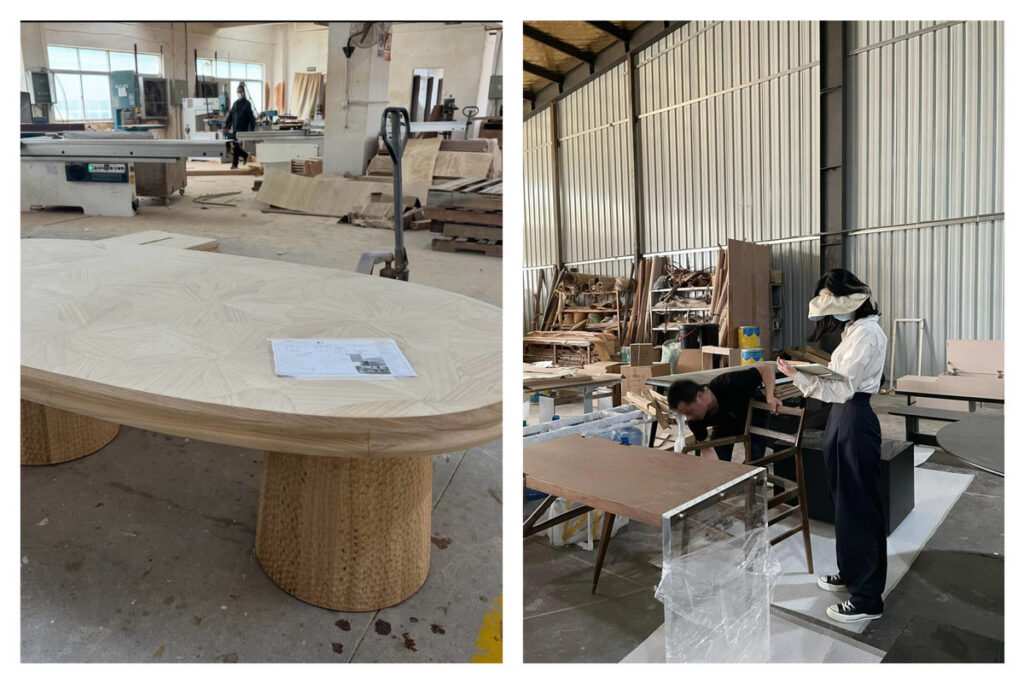
- Step 3: Aggressive Quality Control. Before anything goes into a container, we open the boxes. Whether it is heavy building materials sourcing China or delicate custom glass, we inspect it physically. If a factory made a mistake, we trap the defective goods in China.
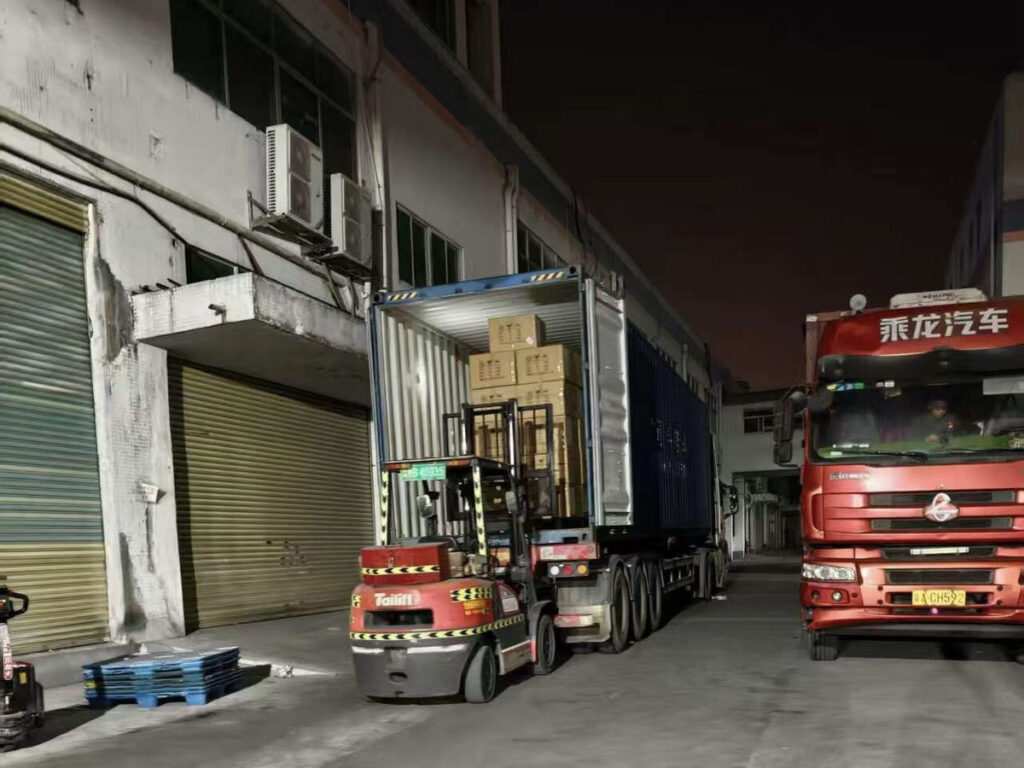
- Step 4: Strategic Container Loading. Loading a container is like playing a high-stakes game of Tetris. You cannot put heavy steel fixtures on top of fragile flexible stone veneer. Our loading experts calculate the precise weight distribution and load the FCL container to maximize every single cubic meter, effectively crushing your hidden landed costs.
5. Unified Quality Control: Catching Defects Before They Sail
Freight savings are great—but quality control is even more critical.
Fragile items like flexible stone veneer or custom upholstery cannot arrive defective. The international return shipping costs are financially impossible to bear. By using our central warehouse-based inspection, we catch the issues early:
- We measure board dimensions with precise calipers.
- We check upholstery stitching and fabric density.
- We run strict stress tests on fragile components.
If a supplier tries to send bad products, defective goods are immediately rejected and replaced before the container ever leaves China.
6. Case Study: Saving $4,200 on a Boutique Hotel Project
Let’s look at the hard numbers. A real estate developer recently had orders from four different suppliers across Guangdong province:
- Lobby furniture (Foshan)
- Custom LED lighting (Zhongshan)
- Bathroom fixtures (Kaiping)
- Staff uniforms from a high-end activewear manufacturer
The LCL Nightmare: Their original freight quote for 4 separate LCL shipments was a staggering $11,500. The V7proX Solution: After utilizing our consolidation & QC services, the final freight invoice dropped to $7,300. The Result: We saved them $4,200 in pure profit. The secret? A centralized warehouse + strict QC + an optimized FCL strategy.
7. Stop Bleeding Margin to Shipping Lines
Negotiating a 5% discount on a factory price simply doesn’t matter if you lose 20% to inefficient shipping and greedy destination port fees.
In 2026, sourcing and logistics must be treated as one integrated equation. At V7proX, we act as your eyes, ears, and central warehouse on the ground in China, engineering your entire supply chain for maximum profitability.
🚨 Are you currently buying from multiple suppliers? Stop quoting separate LCL shipments.
Frequently Asked Questions (FAQ)
LCL (Less than Container Load) requires significantly more manual labor. Freight forwarders must consolidate your goods with others before departure, and the destination port charges expensive CFS (Container Freight Station) fees to physically unpack, sort, and store the mixed cargo. These costs multiply with multiple shipments.
From major manufacturing hubs like Foshan, Dongguan, or Zhongshan, domestic trucking to a central Guangzhou warehouse typically takes 1 to 2 days. Once all goods arrive, professional consolidation and quality inspection take another 2 to 3 days before container loading.
Before any goods are shipped to our warehouse, our team conducts strict factory background checks. We verify business licenses to ensure they are real manufacturers, and we perform AQL pre-shipment inspections directly in our warehouse or on the factory floor to prevent defects.
Before any goods are shipped to our warehouse, our team conducts strict factory background checks. We verify business licenses to ensure they are real manufacturers, and we perform AQL pre-shipment inspections directly in our warehouse or on the factory floor to prevent defects.
Yes, but it requires expert loading. When mixing heavy building materials sourcing China with fragile items (like glass or electronics), a professional warehouse team will strategically load the heavy items on the floor and build custom wooden bracing to prevent the cargo from shifting during rough ocean transit.
When comparing LCL vs FCL shipping risks, the biggest threat of LCL is cargo damage and delays. Because your goods share a container with unknown chemicals, heavy machinery, or poorly packaged items from other companies, the risk of crushing or contamination is extremely high. Furthermore, LCL containers often get delayed at the destination port because the CFS station must wait to unpack and separate everyone’s goods.