Overcoming Sourcing Apparel from China Challenges: The 2026 Ultimate Guide
It usually starts with a flawless Alibaba listing. The product photos look like they belong in a high-end European atelier. The GSM (Grams per Square Meter) specs seem perfect. You wire the 30% T/T deposit to the supplier, feeling like you just secured the best supply chain deal of your life.
Then, reality hits.
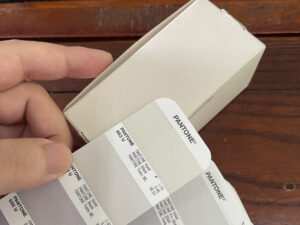
The bulk shipment arrives at your warehouse. The sizing grading is completely off. The “premium heavyweight French Terry” feels like a cheap polyester blend. The Pantone colors clash, and the wash care labels have spelling mistakes. I have seen ambitious independent brands bleed tens of thousands of dollars because they underestimated the severe sourcing apparel from China challenges.
Whether you are launching a new cut-and-sew collection or scaling an existing label, blindly trusting overseas suppliers is financial suicide in 2026. In this comprehensive guide, we break down the brutal reality of clothing production, how to navigate the infamous textile markets, and how a specialized local partner protects your bottom line.
1 : What are the biggest clothing manufacturing risks right now?
When you type questions into Google, the autocomplete dropdown is full of brand owners asking, “Why did my China supplier send bad quality clothing?” The root cause usually boils down to three massive clothing manufacturing risks that amateurs ignore:
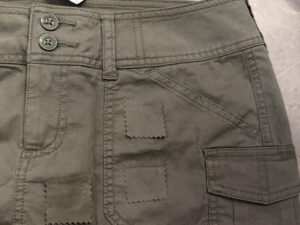
- The “Bait and Switch” Material Fraud: You approved a golden sample made of 400gsm 100% combed cotton. But during bulk production, a dishonest supplier secretly swaps it for a 350gsm poly-cotton blend to increase their margin. Without boots on the ground to weigh the fabric before cutting, you won’t know until the goods land in your country.
- Ignored Specifications and Tolerances: Without precise, translated apparel tech pack requirements, factory workers will guess your measurements. A dropped shoulder design easily turns into a standard rigid fit if the pattern-maker isn’t strictly monitored on the sewing line.
- The Middleman Trap (Trading Companies): Over 75% of the highly-ranked apparel listings online are simply trading companies masquerading as factories. They outsource your order to the cheapest, unregulated sweatshop they can find to maximize their cut.
2: Garment Trading Company vs Direct Factory: Who are you really paying?
The foundation of overcoming garment factory scams is knowing exactly who is sewing your clothes. Buyers constantly ask us how to verify a supplier. We tell them: look at the raw data, the sewing lines, and the business license, not the fancy showroom in Shenzhen.
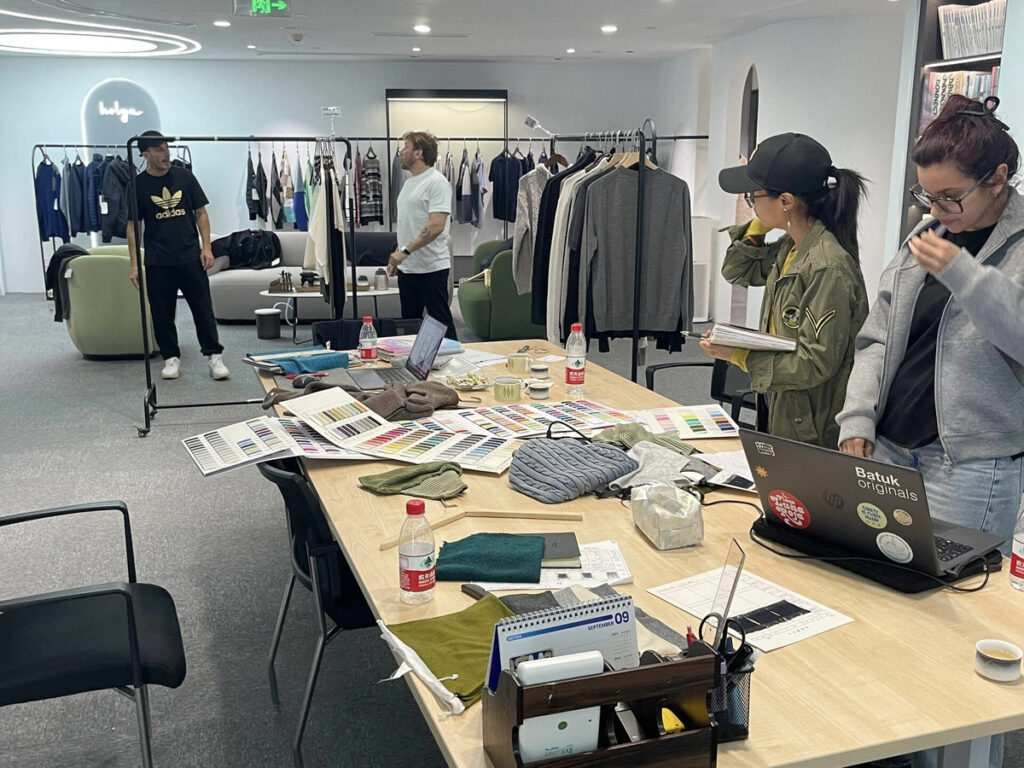
Here is exactly what you are paying for when you partner with a verified custom streetwear manufacturer China compared to an unverified middleman.
3: Is a China business trip worth it for clothing brands in 2026?
Many ambitious founders eventually decide to fly over and handle things themselves. A China business trip can be incredibly valuable, provided you know exactly where to go. However, arriving in Guangdong without a localized itinerary is a recipe for disaster.
Walking aimlessly through the Canton Fair won’t secure you the best deals for a heavyweight hoodie supplier. You need a localized, strategic plan based on “Industrial Clusters.”
- Guangzhou (The Fabric Hub): The undisputed king of fast fashion and premium streetwear fabrics.
- Dongguan (The Knitwear Hub): Where you go for high-end sweaters and complex seamless activewear.
- Zhongshan (The Denim Hub): Specialized in washing techniques and raw denim production.
As your boots on the ground, a reliable China sourcing agent guides you straight to these clusters. If you want premium streetwear textiles, we skip the tourist traps and immediately execute our Guangzhou fabric market guide protocol.
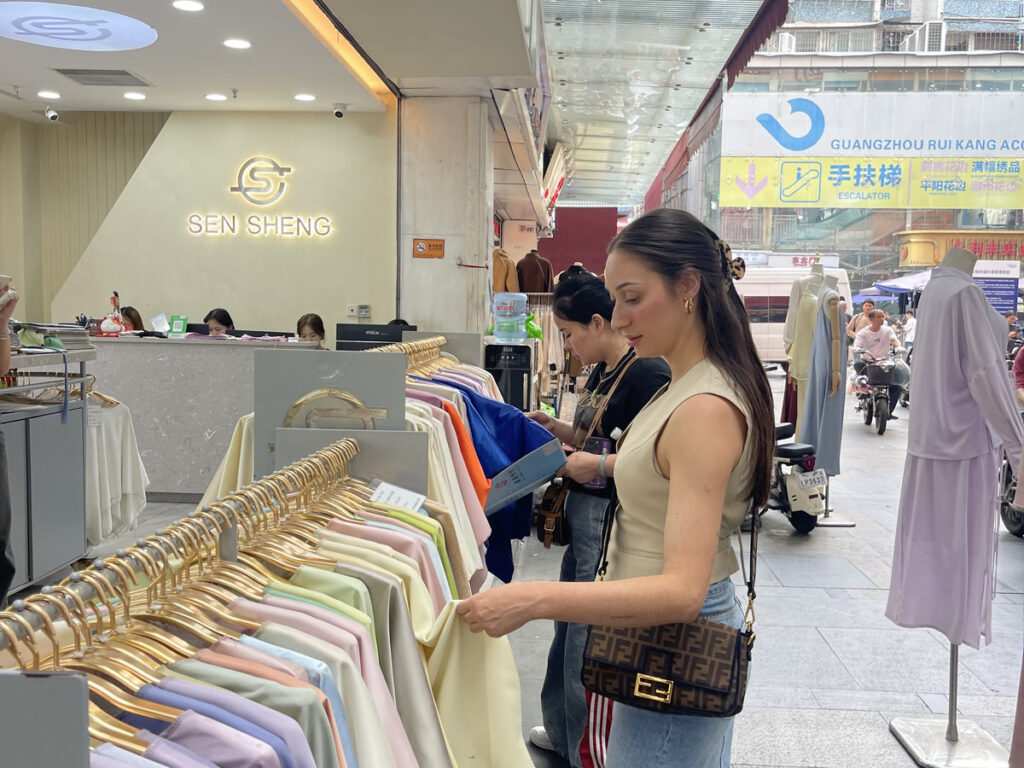
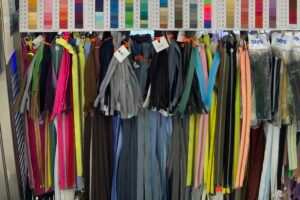
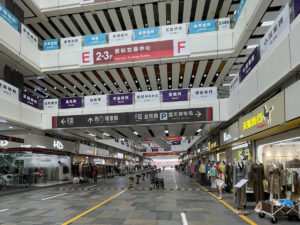
We navigate the maze of the Zhongda Fabric Market—the largest textile hub in the world—to find the exact BOM (Bill of Materials), YKK zippers, and specialized trims you need for your collection. We handle the language barriers, the complex Guanxi (relationship building), and the hard negotiations, ensuring factory bosses treat you as a serious buyer rather than quoting you the inflated “foreigner price.” More details how to find customized manufacture for your brand
4: The Payment & Contract Trap: Understanding FOB vs EXW pricing
One of the most dangerous garment factory scams happens during the payment phase. Never wire 100% of the funds upfront. A professional supply chain manager will always structure the payment as a 30% deposit and a 70% balance paid only after the final inspection is passed.
Furthermore, understanding the difference in shipping terms is critical for your profit margins. The debate between FOB vs EXW pricing can make or break a startup:
- EXW (Ex Works): The raw cost of the garment at the factory door. You are responsible for hiring trucks to move the goods to the port and handling Chinese export customs. It looks cheaper on paper, but hidden logistical costs will eat you alive.
- FOB (Free On Board): The factory covers the cost to get the goods to the nearest Chinese port (e.g., Shenzhen or Guangzhou) and clears export customs. This is the standard and safest term we negotiate for our clients.
- DDP (Delivered Duty Paid): The goods are delivered directly to your warehouse in the USA or UK with all customs duties paid. Ideal for small brands, but requires a trusted freight forwarder.
5 : The Foolproof Garment Factory Audit: Eradicating Quality Issues
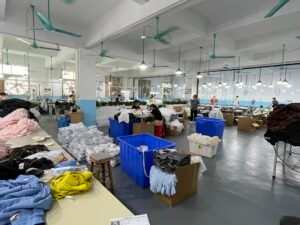
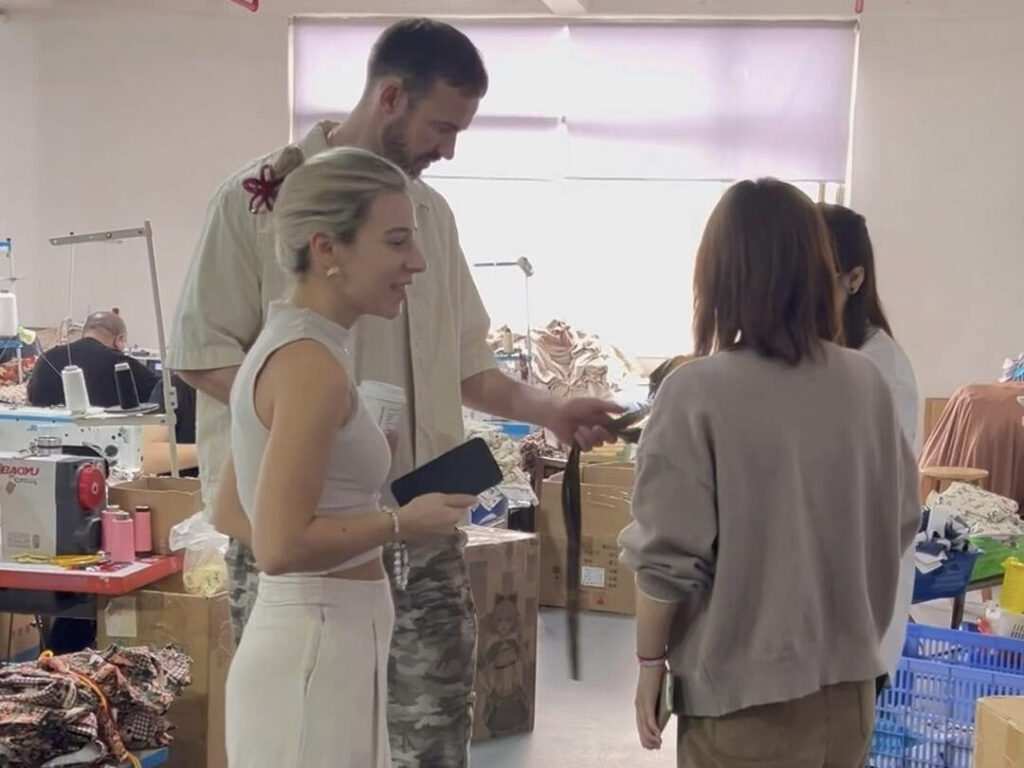
You cannot manage what you do not measure. Before any bulk production begins, our team executes a merciless factory audit to prevent apparel quality control issues.
We do not just look at their export licenses. We inspect their sewing lines, check their needle-detector calibration, and evaluate their pattern-making capabilities. Most importantly, we enforce a strict AQL 2.5 clothing inspection (Acceptable Quality Limit) before a single carton is loaded into an FCL or LCL shipping container.
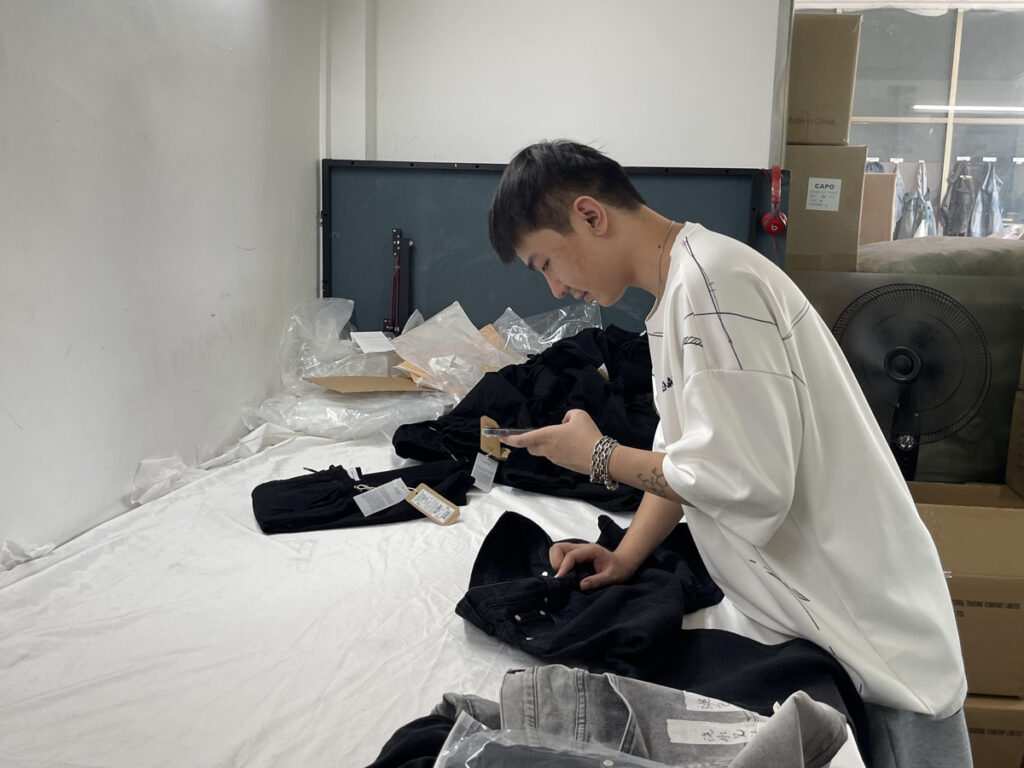
Finding a crooked zipper, a loose thread, or an acid-wash error in Guangzhou costs almost nothing to fix. We force the factory to rework the garments on their dime. Finding that same defect after it arrives in your Los Angeles or London warehouse destroys your brand’s reputation and profit margin.
6: Frequently Asked Questions (Expert Answers for 2026)
Can I bypass a sourcing agent and buy directly from Alibaba?
Yes, but you assume 100% of the risk. Alibaba is a directory, not a quality control agency. Bypassing a reliable China sourcing agent means you have no leverage if the supplier ignores your tech packs, swaps your fabrics, or delays your shipment for weeks.
How do you prevent fabric bait-and-switch during mass production?
Our team conducts unannounced visits to the factory during the raw material cutting phase. We physically weigh the fabric rolls to verify the GSM and inspect the cotton/poly composition before a single piece is sewn.
Does hiring an agent increase my final unit cost?
No. A professional agent reduces your landed cost. By aggressively negotiating the FOB vs EXW pricing directly with the factory floor—and eliminating the 20-30% trading company markups—our clients typically achieve a higher profit margin, even after our service commission is factored in.
How do you handle defective garments found during inspection?
We operate strictly under AQL 2.5 standards. If the defect rate exceeds the acceptable limit, we issue an official rejection report.
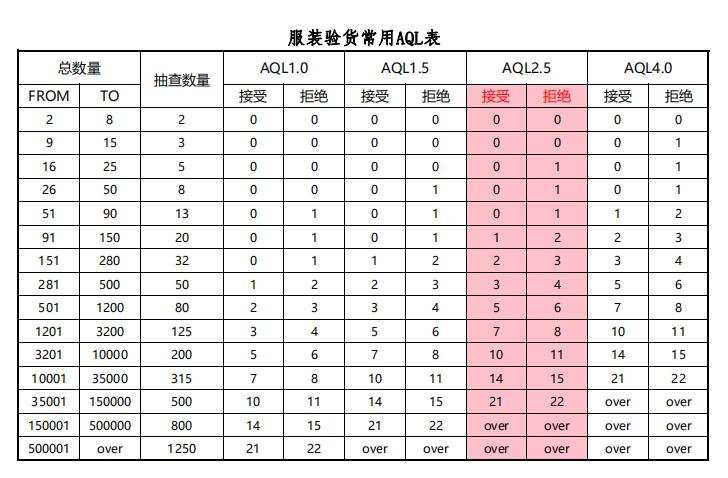
The factory is contractually obligated to rework or reproduce the defective garments at their own expense before we authorize the final balance payment and shipping release.
7 : Conclusion: Stop Risking Your Brand’s Reputation
The gap between a successful clothing line launch and a supply chain nightmare is often just one bad partner. You have the vision, the designs, and the marketing strategy; let a professional team handle the ruthless execution on the factory floor.
Don’t let the fear of the unknown stall your growth. If you are ready to secure true factory-direct pricing and bulletproof quality control, contact us for a free supply chain assessment. Let’s build your brand’s bridge to China, the right way.